- Diagnosis
- Clinical Practice
- Research
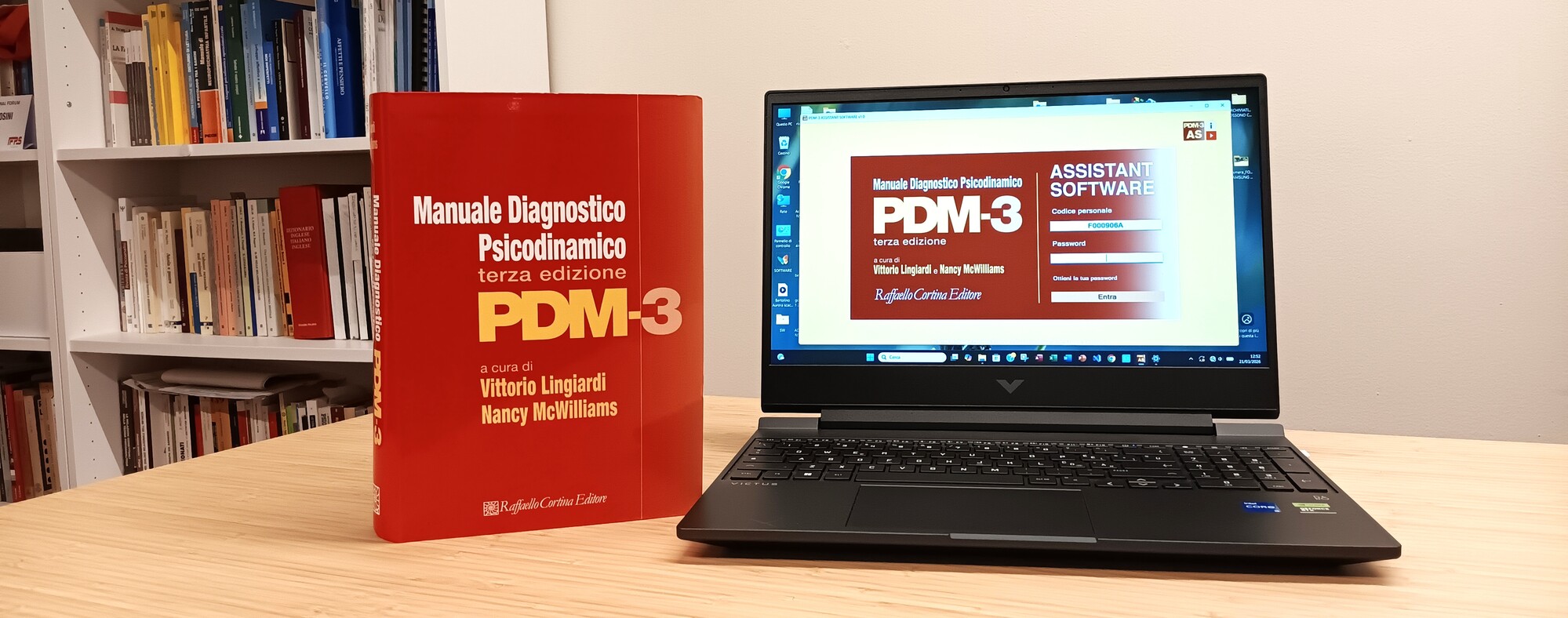
PDM-3 Assistant Software
in collaboration with Vittorio Lingiardi, Annalisa Tanzilli, and Raffaello Cortina Editore
Diagnosis
Psychodynamics
Clinical Practice
Psychotherapy
Research
Swap-200
DSM - 5TR
ICD -11


PROJECT OVERVIEW
The software, derived from the Psychodiagnostic Charts (PDCs) of the PDM-3, was developed to facilitate the diagnostic assessment of patients of all ages in order to quickly and specifically generate accurate, detailed clinical reports that are useful for both treatment planning and the design of empirical research.
The software guides clinicians through sections dedicated to assessing personality organization, personality syndromes or disorders, mental functioning, manifest symptoms, cultural and environmental factors, and other relevant considerations.
Tailored to the needs of mental health professionals and researchers alike, it provides a comprehensive summary of the patient’s psychological functioning in a narrative, qualitative, and quantitative report.
Among its most innovative features, the software allows for the integration of scores from the Shedler-Westen Assessment Procedure (SWAP-200) into the patient’s diagnostic profile and the ability to consolidate data from multiple patients into a single file for research analysis.

The PDM-3 Assistant Software cannot be used without a thorough understanding of the PDM-3 Manual, which encourages clinicians to shift their focus from the disorder as an abstract entity to the person. It is essential to capture (idiographic) subjectivity without abandoning the categories and terminology shared by the clinical and scientific community (nomothetic) that facilitate communication and research.
The PDM-3, and consequently the software, offers a framework that integrates various aspects of psychodynamic diagnosis: the level of organization and personality styles/disorders (P-Axis); the resources and vulnerabilities of mental functioning (M-Axis); and the symptomatology and subjective experience of symptoms (S-Axis). But what makes the PDM system truly unique is that all of this is conceived and adapted on a case-by-case basis according to the specific stage of the life cycle: early childhood (0–3), childhood, adolescence, young adulthood, adulthood, and old age.
AIM OF PDM-3 AS
To simplify the work of clinicians in preparing psychodiagnostic assessments and to support researchers in data analysis.
SCIENTIFIC VALIDITY
The software is based on internationally recognized standards: the PDM-3 manual and SWP-200.
PRIVACY AND DATA SECURITY
When saving data, the software applies encrypted masking to sensitive patient data. Designed for installation on a computer and offline operation, it does not require an internet connection.
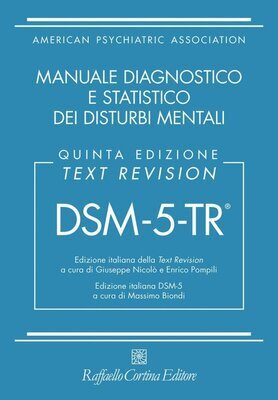
The software includes all diagnoses according to the DSM-5 TR, ICD-10, and ICD-11.

Other features
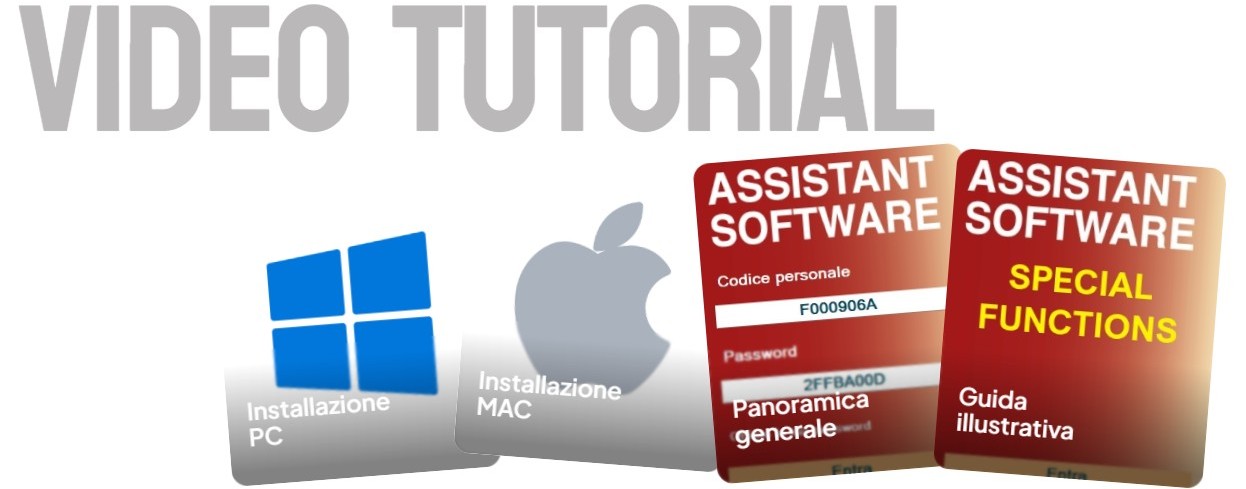
Special functions of the
PDM-3 Assistant Software

It is possible to obtain a narrative report of the patient's evaluation, which is useful for drafting the clinical report.
Fast
Clear
Useful

Integration with Swap-200, allowing items and existing evaluations to be imported directly into PDM-3 AS.
Integration
Thoughts
Observations
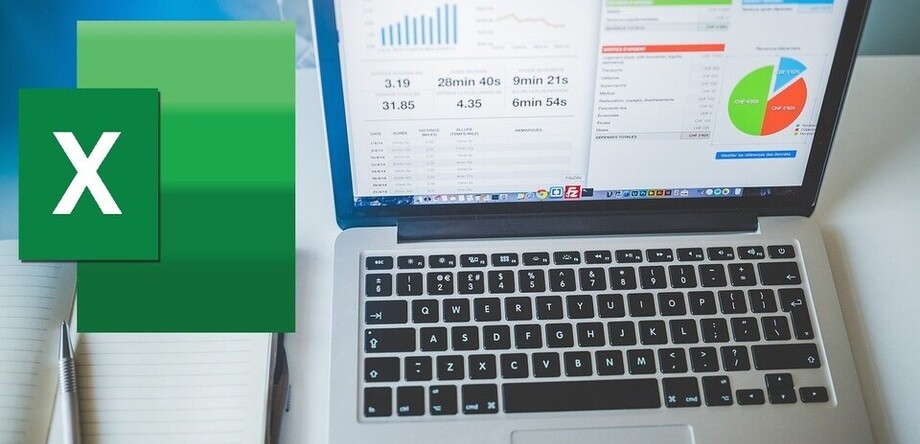
You can consolidate data from multiple patients into a single Excel file for analysis using other IT systems.
Research
Passion
Connection
Questions & Answers
Frequently asked questions and answers for users of the PDM-3 Assistant Software.
For more information, please email pdm3as@gmail.com
Below are the minimum system requirements based on the computer you are using.
PC:
- Operating System: Windows 8 or later
- Free hard drive space: 200 MB
- .NET Framework 4.7.2 (if not already installed on your PC, you will be prompted to download and install it for free when you first launch the software)
- Screen resolution: 1440 x 900
MAC:
- Operating System: macOS 10.13 High Sierra or later
- Free hard drive space: 300 MB
- Screen resolution: 1440 x 900